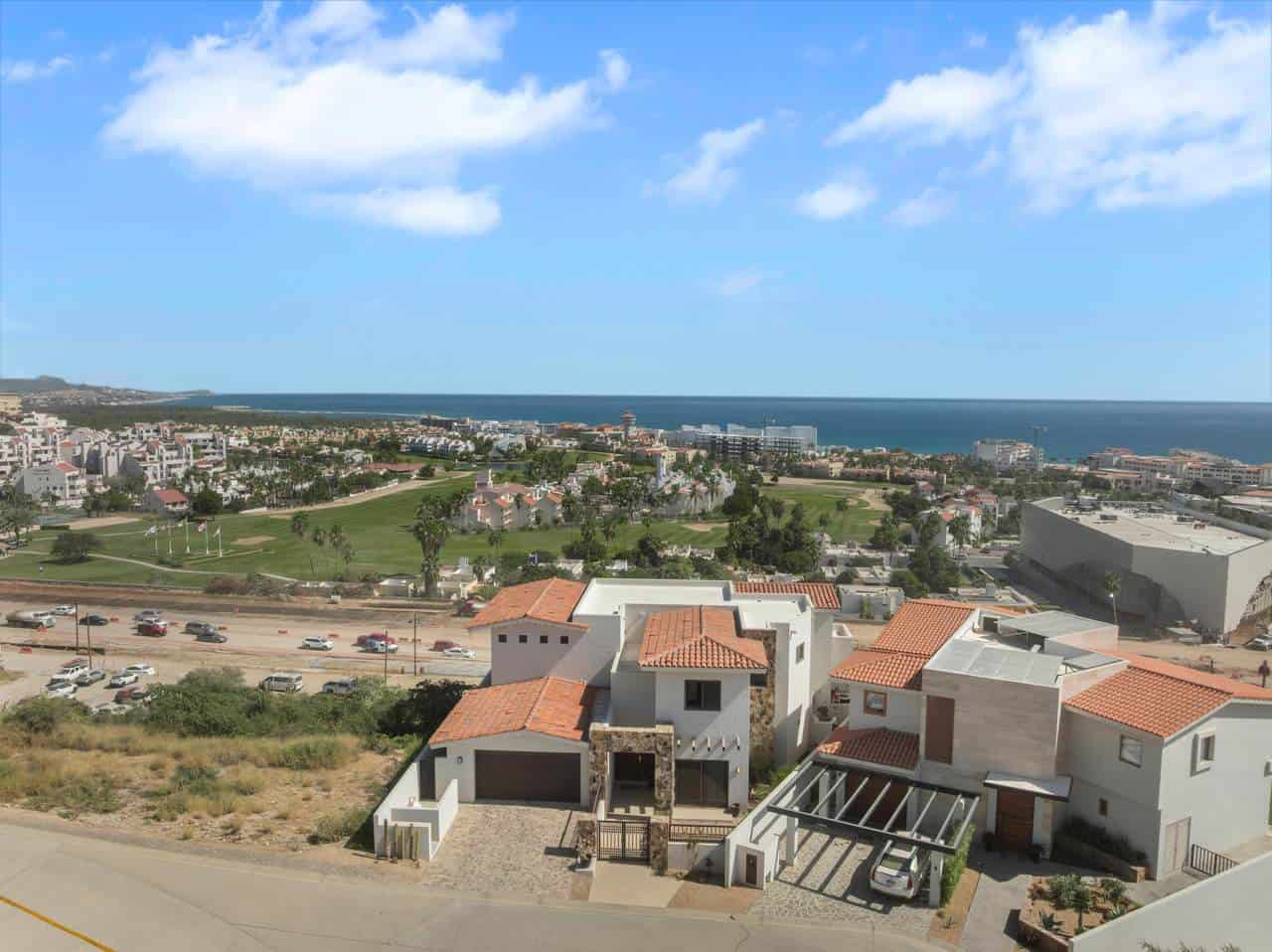
Buyers sometimes describe a Club Campestre purchase as an “investment property,” but that label covers several different situations with different considerations. This guide distinguishes between them and outlines the due diligence any buyer should complete before assuming a property will generate rental income, appreciate in value, or qualify for any particular tax treatment – none of which can be promised by a listing or guaranteed in advance.
Personal-Use Homes
Many buyers in Club Campestre purchase primarily for their own use – a full-time residence, a seasonal home, or a future retirement property – with any rental or resale consideration secondary. For a personal-use purchase, the most relevant questions are usually about the home itself, the HOA, and ongoing costs rather than investment return.
Long-Term Ownership
Some buyers hold property for years without renting it out, treating it purely as real property rather than an income-producing asset. This avoids many of the regulatory and operational questions that come with rental use, but ownership still carries ongoing costs – HOA dues, property taxes, maintenance, insurance – that should be budgeted for regardless of whether the home is rented.
Potential Rental Use
Other buyers are interested in renting a property, either short-term or long-term, for part or all of the year. Whether this is realistic for a specific property depends on several things that vary by community and by individual HOA: whether short-term rentals are permitted at all, any licensing or registration requirements under Mexican law, and practical questions like demand, seasonality, and management logistics. None of these should be assumed – a buyer interested in rental use should confirm the specific property’s HOA rules on short-term rentals in writing before purchasing, not rely on general assumptions about the area.
Property Management Considerations
A rental strategy – or even an unoccupied second home – usually requires some form of property management: cleaning, maintenance, guest coordination if renting, and general oversight when the owner is away. These services have real costs that should be built into any financial planning for the property. See our Property Management page for what these services typically involve, and our Rentals page for more on rental-related services in the community.
Due Diligence Before Buying
Before treating any Club Campestre property as an investment, a buyer should independently verify: the specific HOA’s rules on rentals and any related fees or restrictions, realistic operating costs (HOA dues, utilities, property management, maintenance, insurance), the property tax and any applicable Mexican tax obligations for foreign owners, and any legal requirements around property ownership structure (such as a fideicomiso for coastal properties). None of these should be assumed from general information online – a Mexican real estate attorney and a tax professional familiar with cross-border ownership are the appropriate sources for these answers, not a real estate listing.
To see what’s currently available, browse Homes For Sale or Condos For Sale. For help understanding the buying process itself, see our Guide to Buying, or contact us with specific questions about a property you’re considering.